Toby Talbot, a driving force behind the rise of independent and international film culture in New York and across the country, died on September 15 at her Manhattan home. She was 96. Her daughter confirmed the cause was complications from Guillain-Barré syndrome, according to The New York Times, which reported on Talbot’s passing this week.
Advertisement
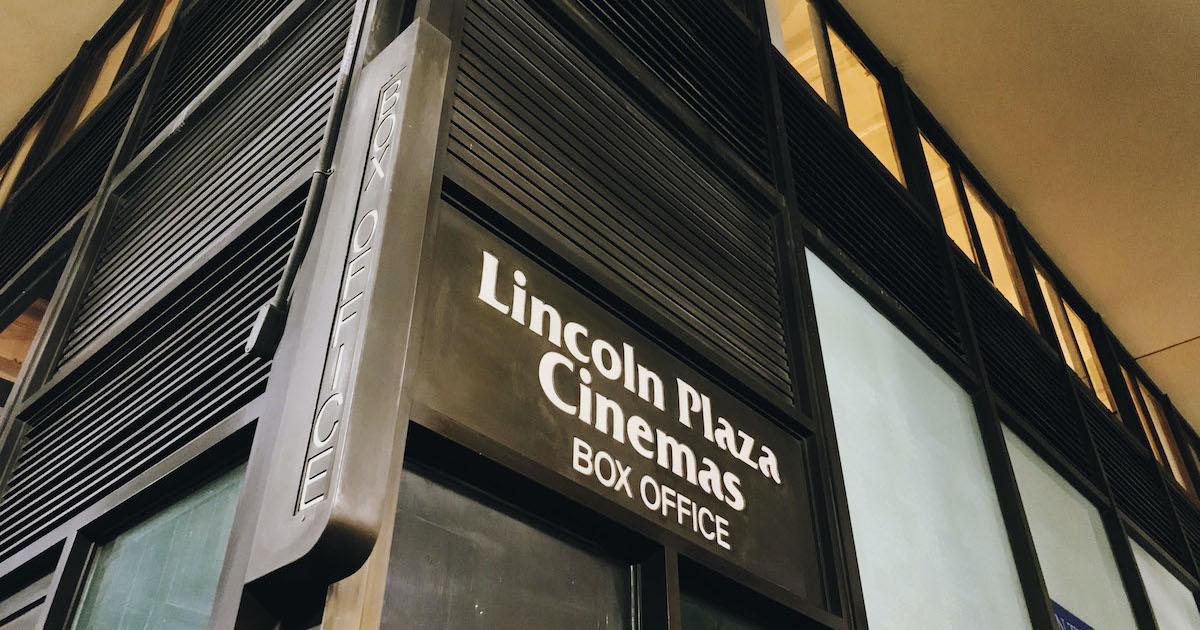
For more than half a century, Talbot—alongside her husband, Dan—was instrumental in shaping the landscape of American film appreciation through both distribution and exhibition. The pair brought hundreds of foreign and independent titles to U.S. audiences through their company New Yorker Films, while also operating a series of beloved Upper West Side theaters.Those theaters—The New Yorker, Cinema Studio, the Metro, and Lincoln Plaza Cinemas—were not just places to see movies, but spaces where film lovers gathered to be challenged, moved, and inspired. Lincoln Plaza Cinemas, in particular, served as a cultural touchstone from its opening in 1981 until its abrupt closure in 2018. It was in these spaces that the Talbots premiered early works by Fellini, Fassbinder, and Sembène, and introduced New Yorkers to cinematic voices rarely heard in the mainstream.
Talbot’s influence wasn’t confined to the projection booth. With a background in Spanish literature, she worked as education editor for El Diario Nueva York, taught at institutions including Columbia University and NYU, and translated major literary works, most notably Jacobo Timerman’s memoir Prisoner Without a Name, Cell Without a Number.

She also authored several books of her own, including a memoir about her mother and a novel under a pseudonym, and later edited her husband’s posthumous memoir, In Love With the Movies, which was published in 2022. When the Talbots first entered the film business in 1960, it was on something of a whim: Toby’s sister’s accountant had purchased a theater—then called the Yorktown—on Broadway and 88th Street. The Talbots leased it, renamed it the New Yorker (a nod to a Miami Beach hotel run by a relative), and filled it with 900 salvaged seats from the Roxy.
Advertisement
Their programming defied commercial logic but was rooted in passionate curation. Talbot was known to veto films she felt didn’t meet their standards, regardless of box office potential. She was fiercely committed to the art of cinema and to sharing it with audiences—often programming what she described as “films we admire and respect.”Born Toby Tolpen in the Bronx in 1928 to Polish-Jewish immigrants, she was raised in Pelham Parkway and earned her degree from Queens College in 1949. She met her future husband, Daniel Distenfeld (later Talbot), on the way to a movie theater. They married in 1951 and started building a life that would become deeply intertwined with the world of film.
At the New Yorker Theater, her parents pitched in—her mother ran the candy counter (serving lox and carrot cake), and her father greeted patrons in the lobby, which doubled as a salon for cinephiles. The theater even made a cameo in Woody Allen’s Annie Hall—Marshall McLuhan famously appears in its lobby scene.
Though she later expressed regret over the decision to sell the New Yorker Theater, Talbot continued to shape the cultural landscape through distribution and education. Under the Talbots’ stewardship, New Yorker Films released over a thousand titles, including landmark works like Shoah, Claude Lanzmann’s documentary about the Holocaust.
Toby Talbot is survived by her daughters Sarah, Nina, and Emily; her sister Roslyn; and four grandchildren. Her death marks the end of a chapter in New York’s cinematic history—but the legacy of her life’s work continues to flicker on screens and in the minds of countless film lovers who found their way to a new kind of movie because of her.
Have a news tip? Send it to us here!