Free Upper West Side News, Delivered To Your Inbox
Every year brings change to the Upper West Side, but 2025 delivered a particularly heavy wave of goodbyes. From institutions that anchored generations of neighbors to smaller shops that quietly shaped daily life, these closures marked the end of eras—some decades in the making.
Advertisement
Here are the five most significant Upper West Side closings of the year.Emerald Inn (1943–2025)
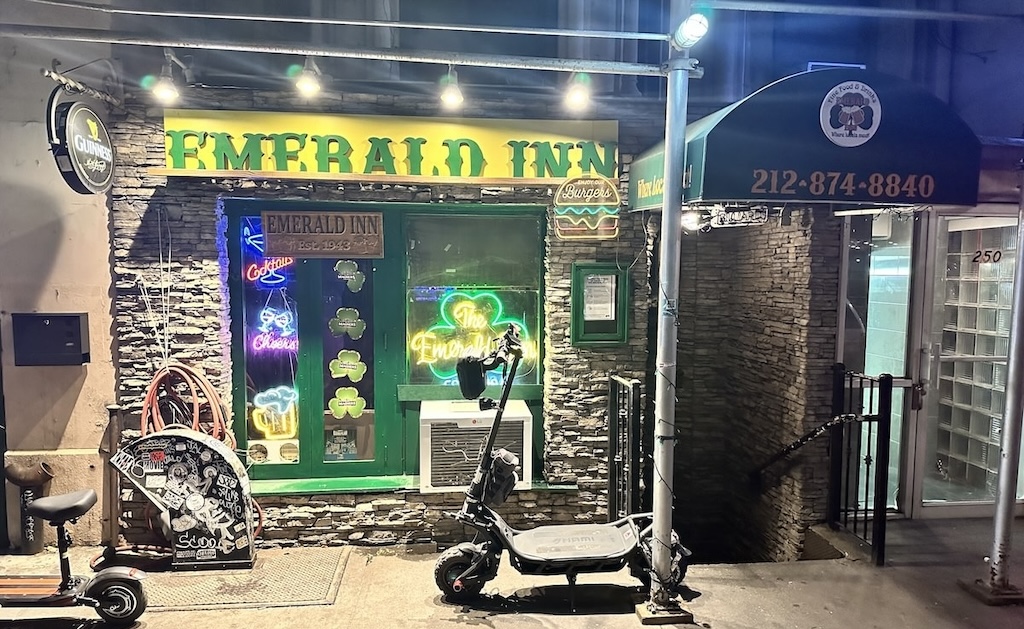
After 82 years, Emerald Inn—the iconic Irish pub long known as “the place where locals meet”—closed its doors for good on December 3. Opened in 1943 on Columbus Avenue before relocating to West 72nd Street in 2013, the bar survived wars, recessions, and neighborhood transformations, but ultimately couldn’t withstand the financial pressures of the post-pandemic era.
Owner Charlie Campbell cited mounting debt, rising costs, declining foot traffic, and stalled negotiations with the landlord as the final blows. Despite a last-ditch GoFundMe effort and a loyal community that turned out to say goodbye, the numbers no longer worked. Emerald Inn’s closure marked the loss of more than a bar—it was a social anchor, a multigenerational workplace, and a gathering place where neighbors marked victories, defeats, and everyday life together.
West Side Kids (1981–2025)
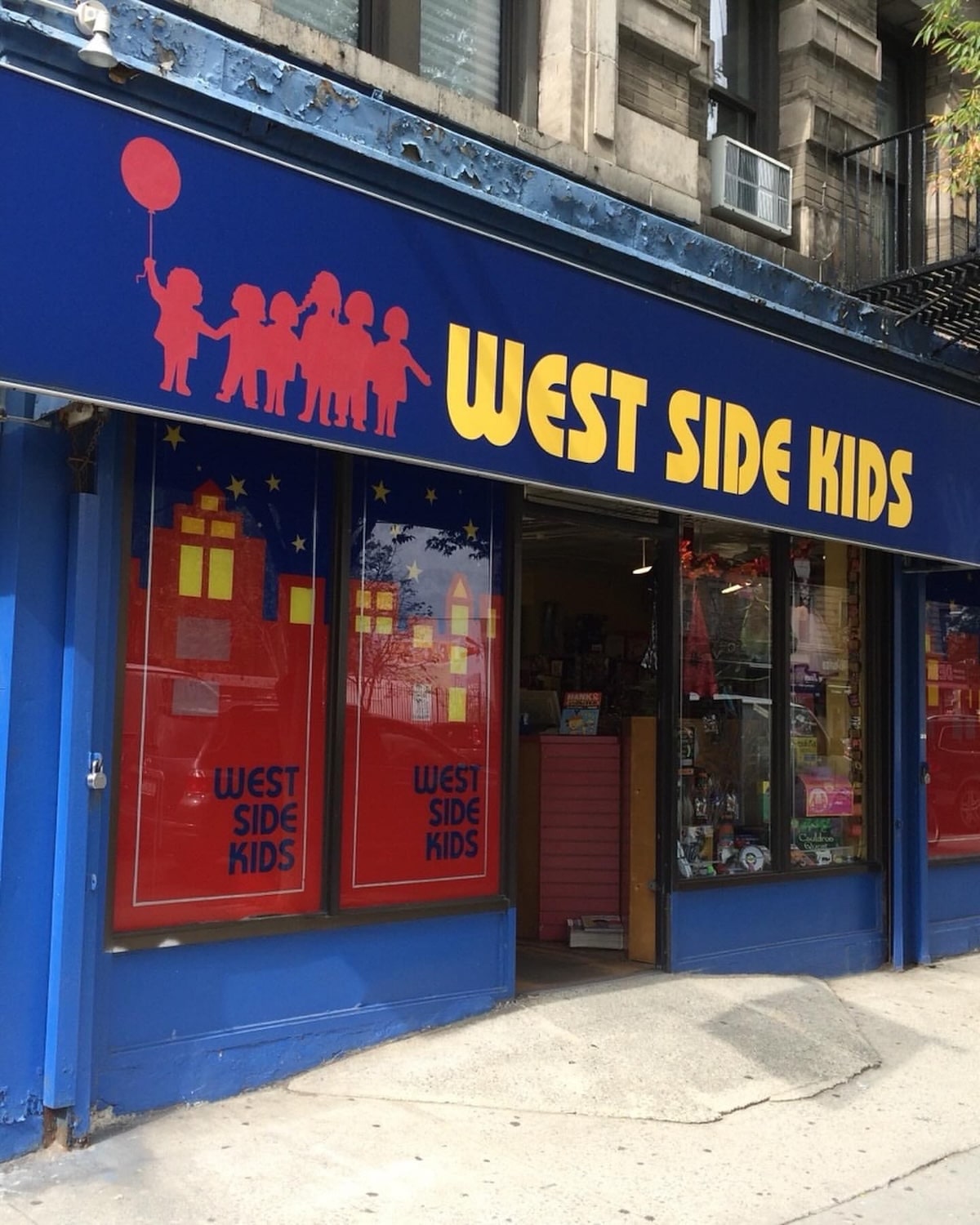
For more than four decades, West Side Kids was a rite of passage for Upper West Side families. Founded in 1981 and long headquartered at Amsterdam Avenue and West 84th Street, the beloved toy store announced it would close this summer after owner Jennifer Bergman concluded the business was no longer financially sustainable.
Sales declines, rising costs, and economic uncertainty made survival impossible, even with supportive landlords and deep community loyalty. Bergman, whose mother opened the shop and who herself grew up on the Upper West Side, framed the closure not as a defeat but as a transition—toward new creative projects and textile work inspired by recent travels. Still, the loss of West Side Kids leaves a noticeable hole in the neighborhood’s family life.
Advertisement
Taqueria y Fonda La Mexicana (1999–2025)
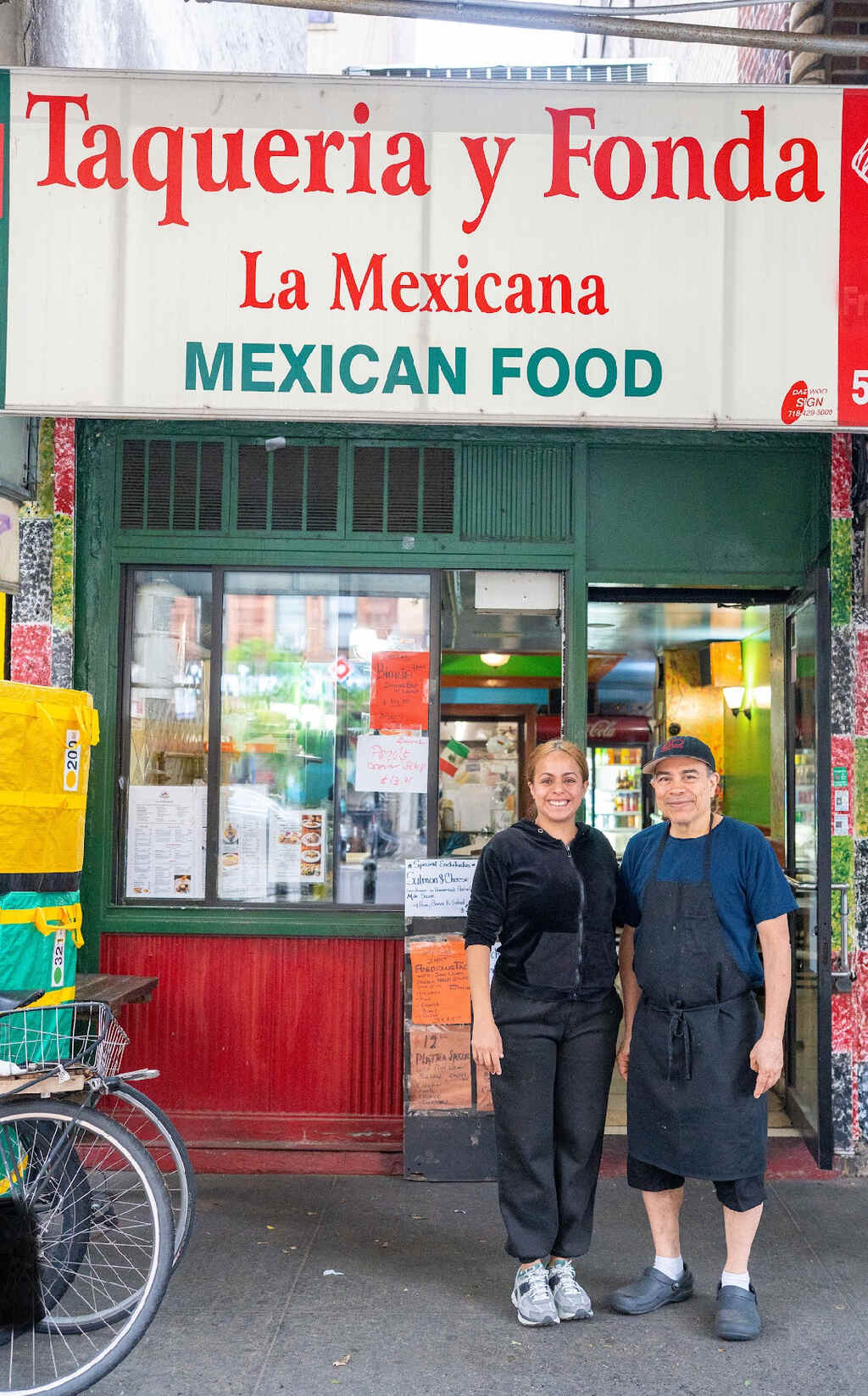
After 26 years at Amsterdam Avenue and West 108th Street, Taqueria y Fonda La Mexicana closed in June, ending the run of one of the Upper West Side’s most cherished mom-and-pop restaurants.
Opened in 1999 by Jorge Lopez, the restaurant became a late-night staple for students, families, and longtime residents, earning cultural immortality as the inspiration behind Vampire Weekend’s “Horchata.” Rising rent ultimately forced the decision to sell, though the family has plans to bring the restaurant’s beloved sauces to supermarkets. Its closure marked the loss of a deeply personal, immigrant-built business that fed the neighborhood for more than a quarter century.
Silver Moon Bakery (2000–2025)
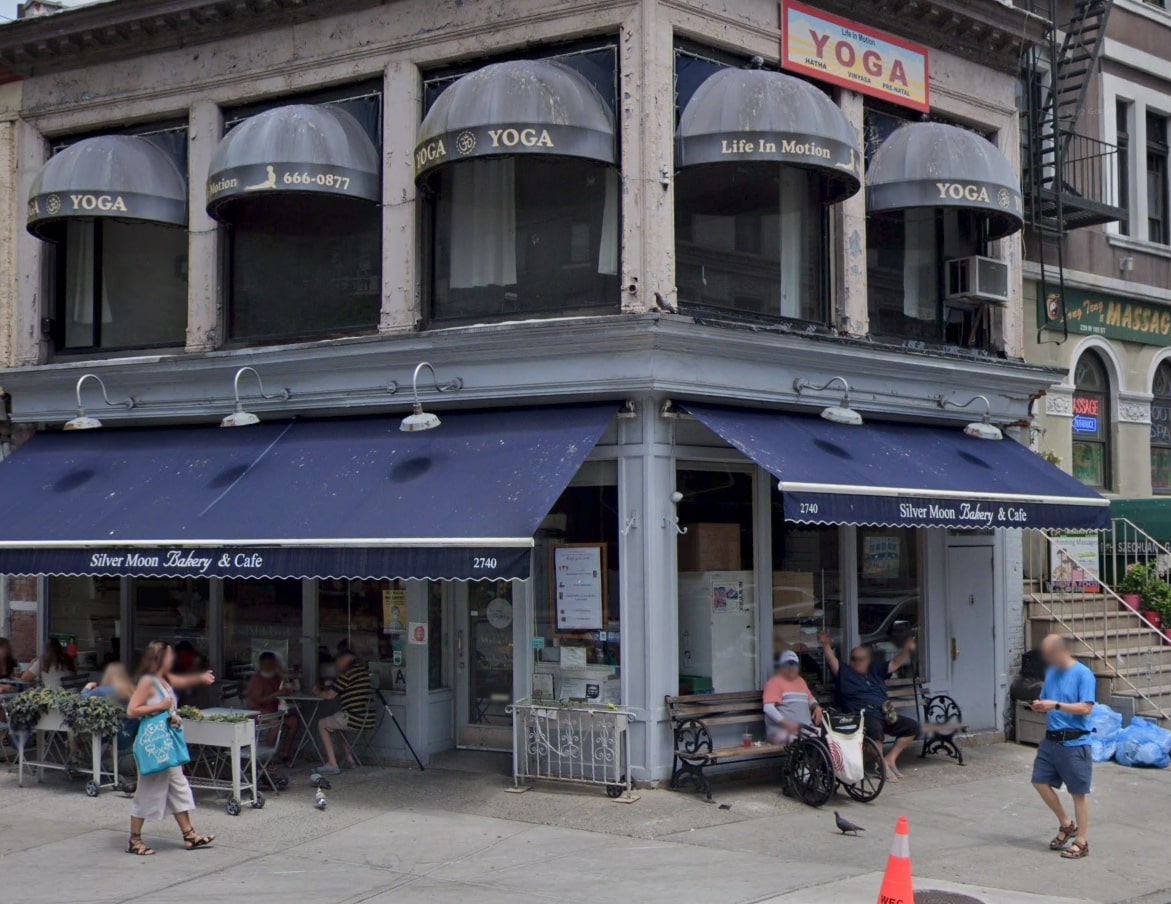
Google Maps
Silver Moon Bakery, a cornerstone of Broadway near West 105th Street, closed in March after 24 years in business. Known for its artisanal breads and role as a community refuge—particularly in the days following September 11, 2001—the bakery announced it would not fight the landlord’s refusal to extend its lease.
Owners Judith Norell and Georgia Stamoulis cited escalating rent disputes and the realities of starting over later in life as reasons not to relocate. For many Upper West Siders, Silver Moon was more than a bakery; it was a place of comfort, routine, and connection. Its closure was felt acutely, especially amid other losses in the same stretch of the neighborhood.
While Silver Moon is living on in some capacity (through a collaboration with Buttercup Bake Shop just a few blocks away), the corner of 105th and Broadway will never be the same.
Advertisement
Shakespeare & Co.
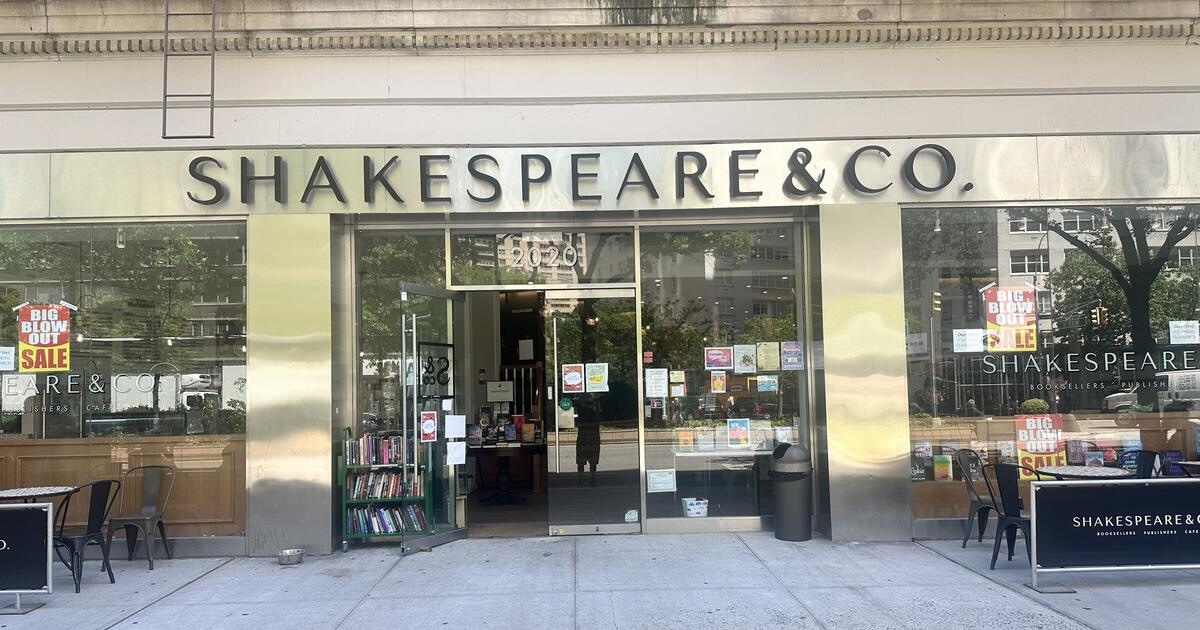
In a year marked by retail churn, Shakespeare & Co.’s full exit from the Upper West Side stood out. The bookstore closed its West 105th Street location after just one year, followed by the shuttering of its West 69th Street outpost when The Strand announced it would take over the lease.
Despite hosting events, adding a café, and drawing on decades of brand recognition, the chain struggled with rent pressures and changing retail dynamics. While The Strand’s arrival ensures that books will remain part of the neighborhood’s fabric, Shakespeare & Co.’s departure closed the chapter on a revival that never quite found its footing.
Have a news tip? Send it to us here!